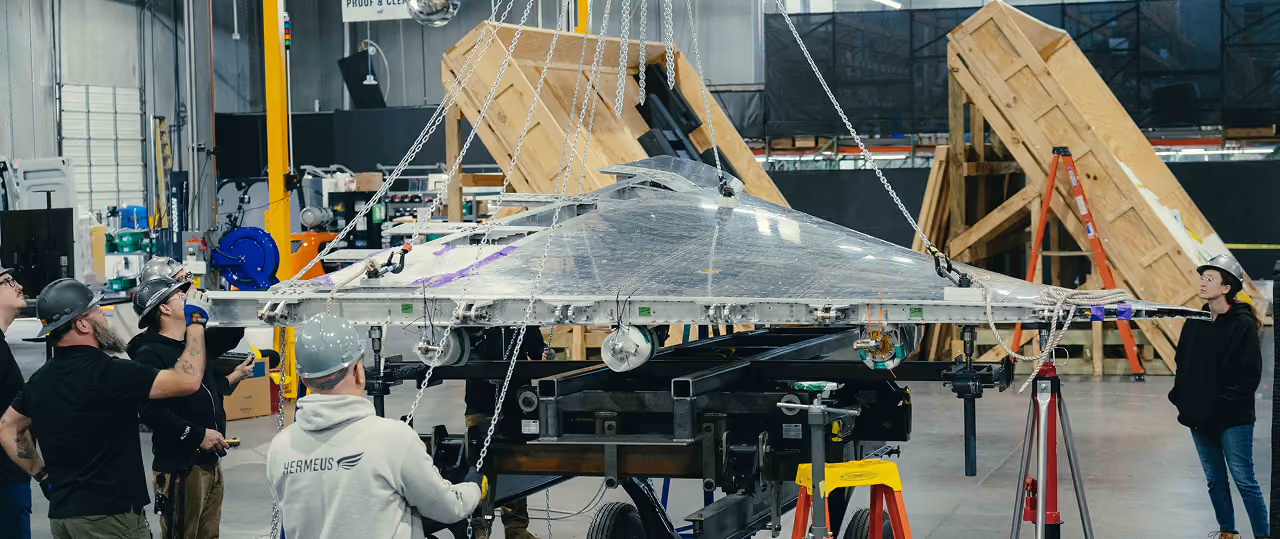
Hardware
Engineering
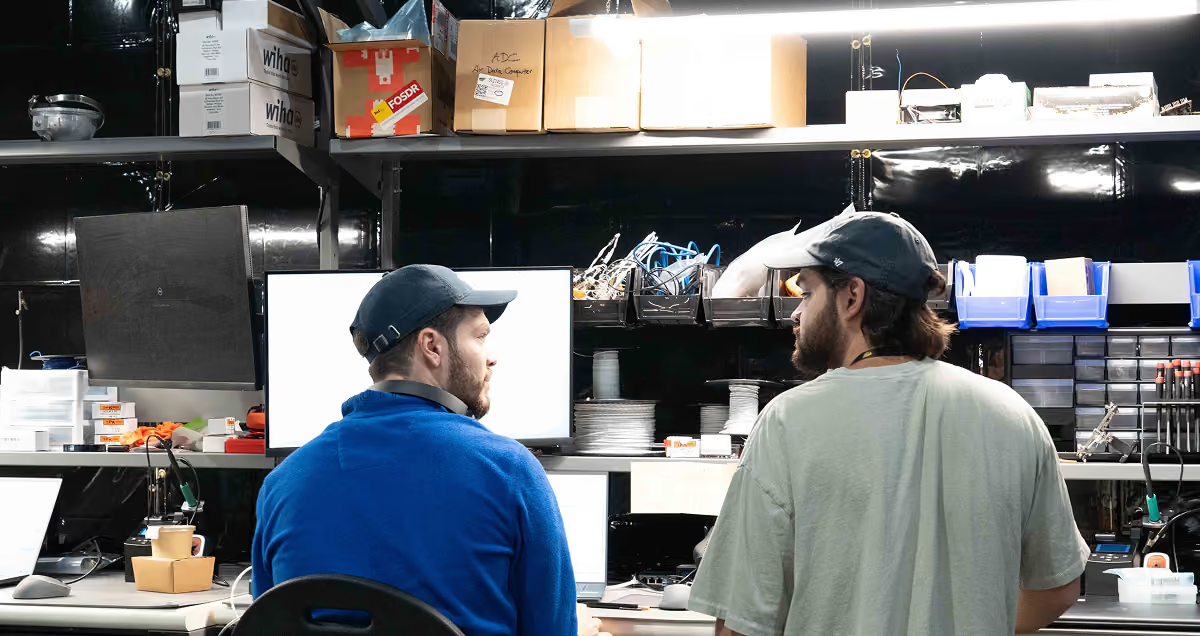
The Hardware Engineering team designs, builds, and integrates the physical systems that bring Hermeus aircraft to life. This includes Structures, Mechanical & Vehicle Systems, Propulsion, Avionics & Electrical, and Mechanisms.
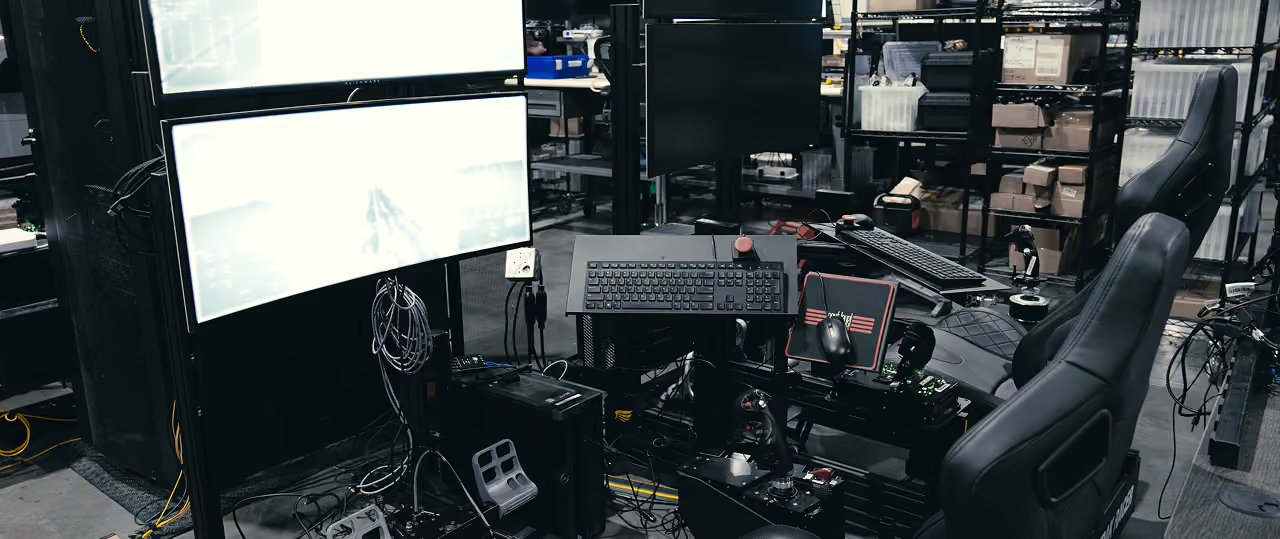
Software
Engineering
The Software Engineering team builds the embedded flight software, simulations, development tools, and hardware-in-the-loop systems used to control, test, and validate Hermeus aircraft.
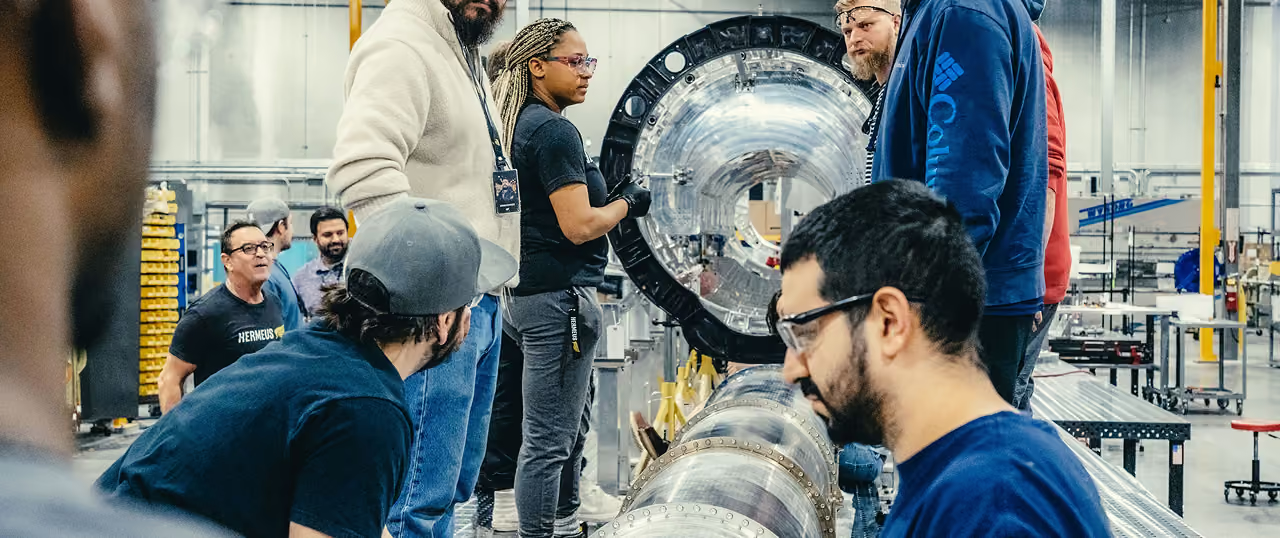
Mission
Systems
The Mission Systems team develops and integrates the software, operator interfaces, autonomy, communications, avionics, and mission capabilities that enable Hermeus aircraft to execute their missions.

Flight
Sciences
The Flight Sciences team analyzes, models, and validates how Hermeus aircraft fly and perform throughout the flight envelope. This includes Aerodynamics, Flight Dynamics, Loads & Dynamics, Performance, and Guidance, Navigation & Control.
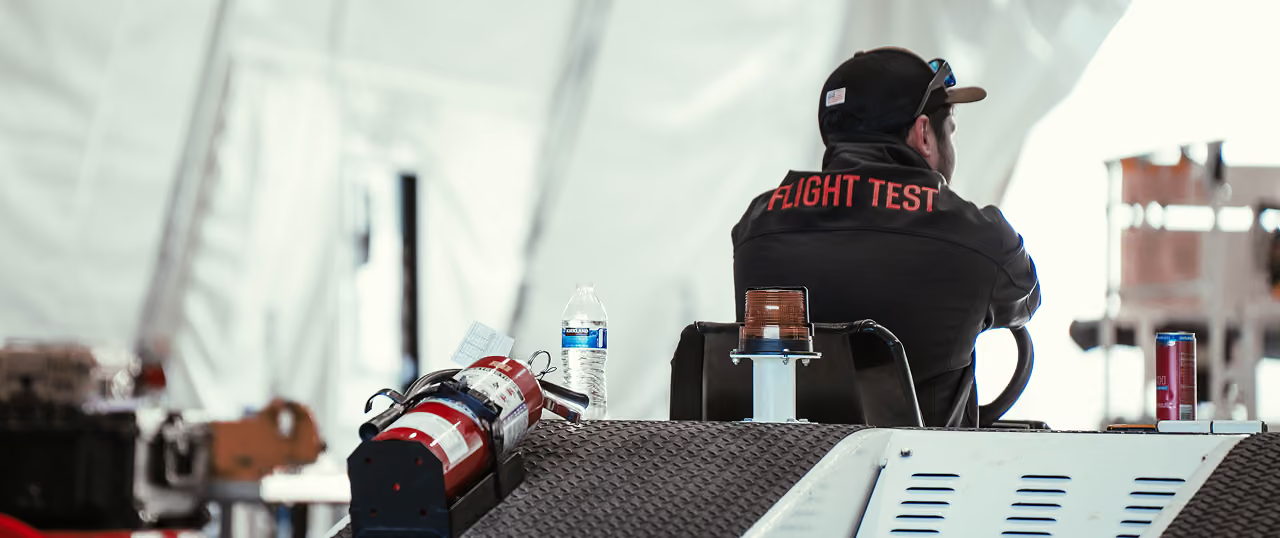
Test
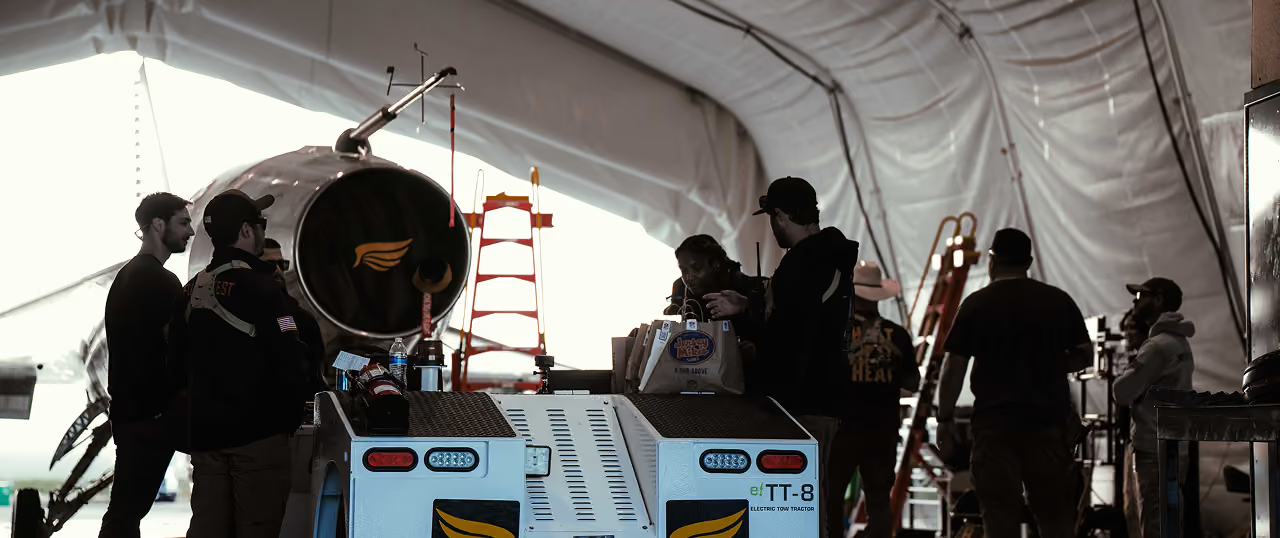
The Test team designs, builds, and executes campaigns to validate aircraft, propulsion systems, and vehicle subsystems. By testing early and often, the team reduces technical and program risk while improving vehicle readiness. This includes Test & Operations, Propulsion Test, and Subsystem Test.
Operations
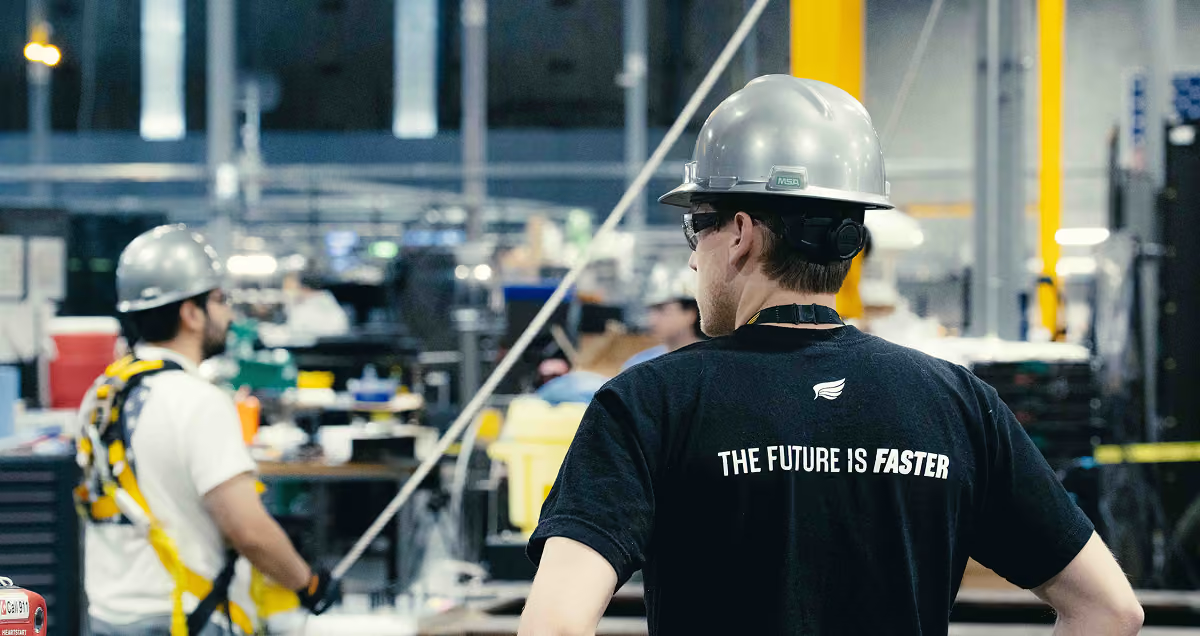
The Operations department builds the systems, spaces, partnerships, and safeguards that keep the company running efficiently. This includes Information Technology & Cybersecurity, Facilities, Operational Safety, Risk & Compliance, and Supply Chain.

Sales, General,
& Administrative (SG&A)
The SG&A teams provide the strategic, financial, legal, people, and commercial support needed to scale Hermeus and execute its mission. This includes Finance, Legal, People Operations, Mission Management, Growth, Marketing & Communications, Government Relations, and Business Development.
Manufacturing
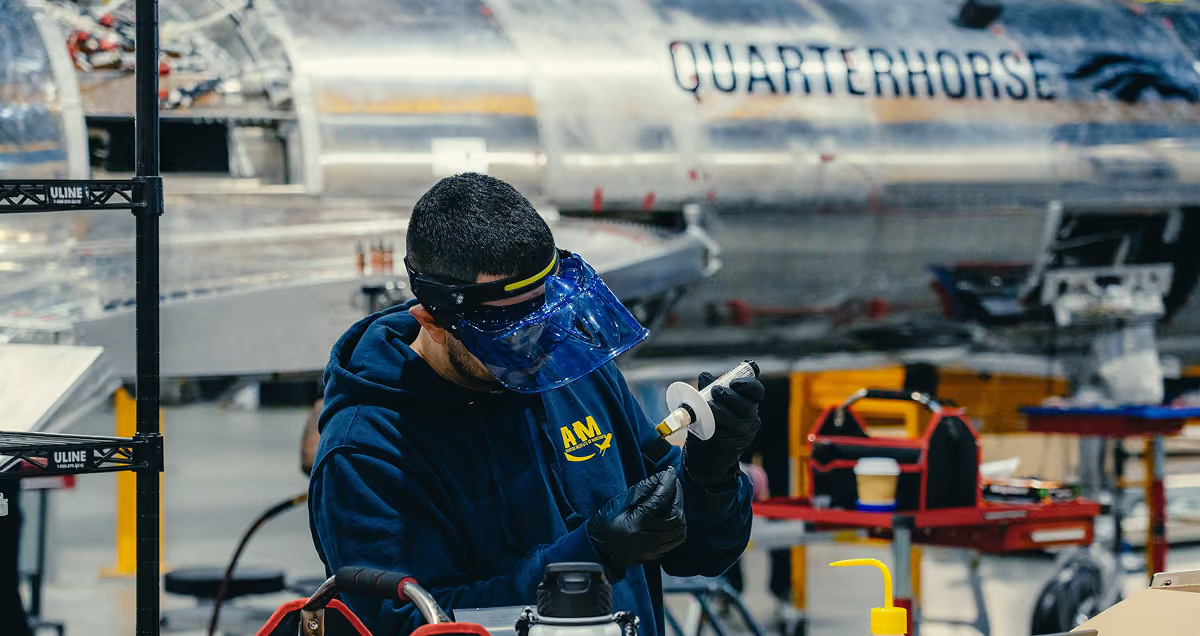
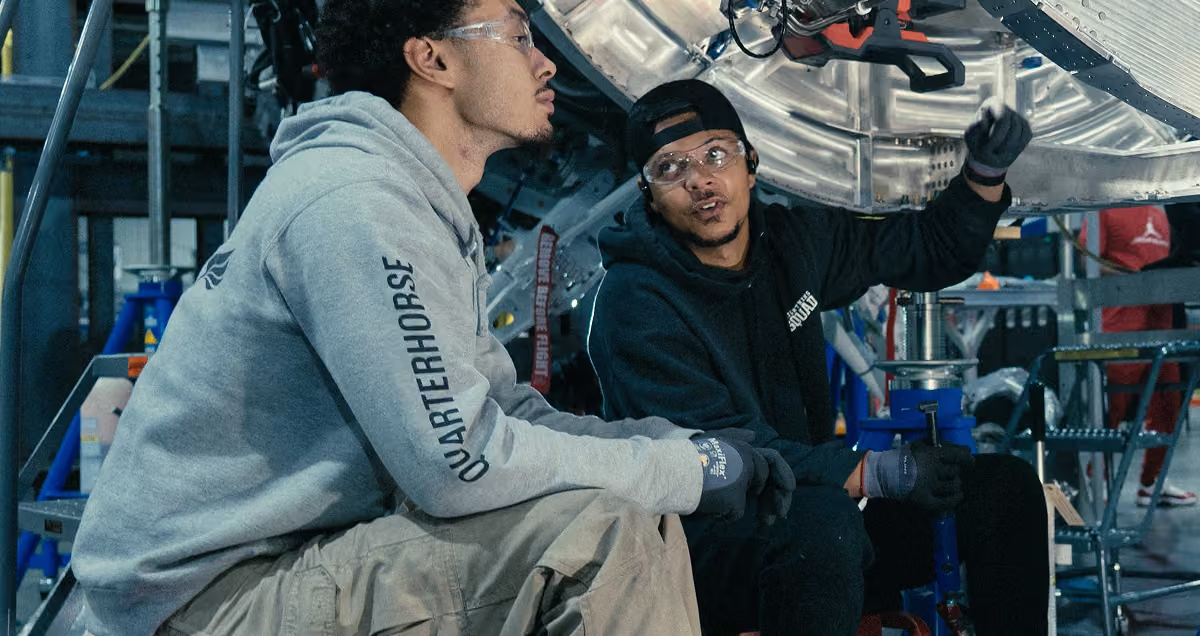
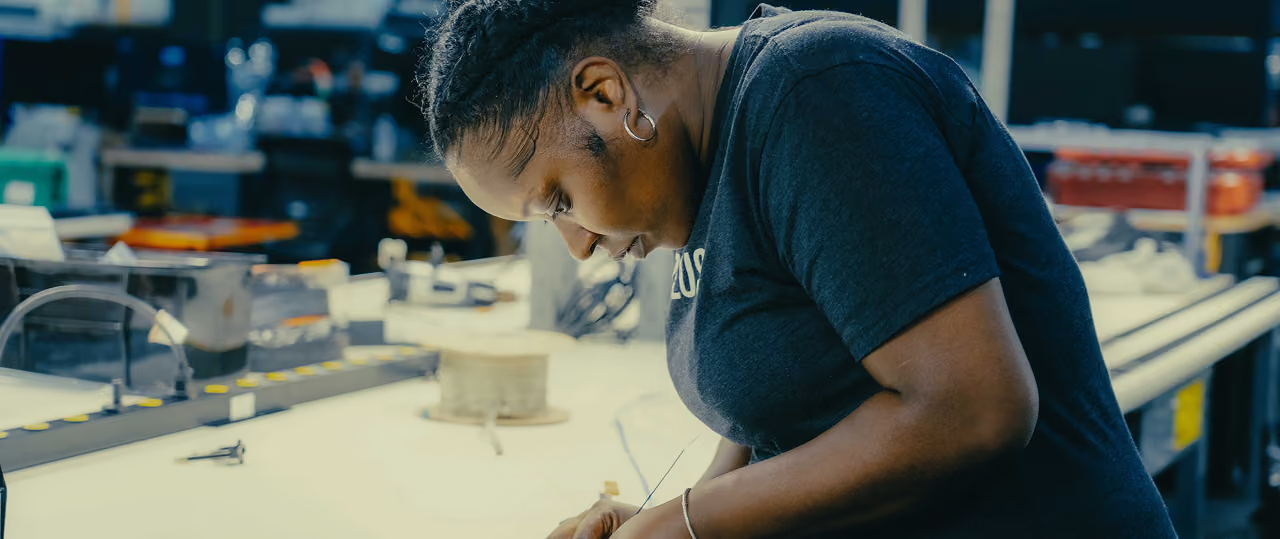
The Manufacturing team turns designs into flight-ready hardware through rapid fabrication, assembly, integration, and production. This includes Manufacturing Engineering, welding, machining, additive manufacturing, sheet metal, tube fabrication, tooling, avionics integration, quality, and technician roles. Working closely with engineering, the team provides hands-on design feedback and rapidly iterates on hardware, assembly processes, and production methods.